The Art of the Family Recipe: Why Some Dishes Are Never Written Down
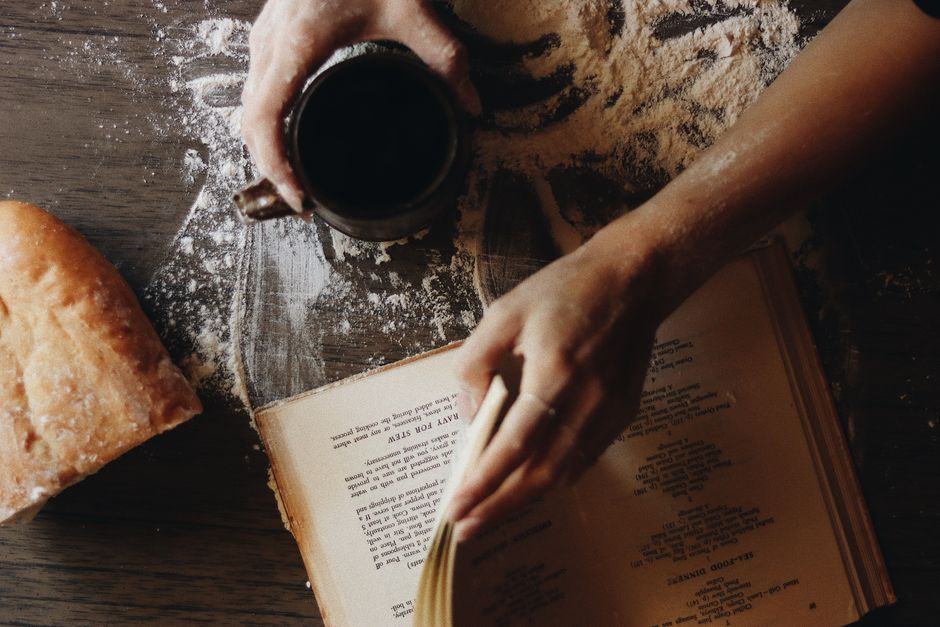
Walk into countless kitchens around the world and ask for the recipe behind a treasured family dish, and you will very often be met with something other than a written list of ingredients and steps. Instead: a pinch of this, a handful of that, cook it until it looks right, taste it until it tastes right. For many of the world's most beloved home-cooked dishes, no written recipe exists at all — the dish lives entirely in memory, muscle habit and the accumulated judgement of someone who has made it hundreds of times.
This isn't a failure of documentation so much as a different, older model of how culinary knowledge is transmitted. Before widespread literacy, printed cookbooks and standardised measuring tools were common in most households, cooking knowledge simply had to be passed down through direct teaching — a parent or grandparent cooking alongside a child, correcting by taste and feel rather than by numbers, until the technique and the judgement behind it were internalised. This method of teaching — apprenticeship through repetition, rather than instruction through text — remains deeply embedded in many culinary traditions around the world, even in households that are otherwise entirely literate and could easily write the recipe down if they chose to.
There are practical reasons unwritten recipes persist even now. Ingredients vary — the exact sourness of a lemon, the age and moisture content of a piece of dried chilli, the specific saltiness of a particular brand of fish sauce — and a cook working by memory and taste can adjust for these variations instinctively in a way a rigid written measurement cannot fully account for. Someone who has made a dish for thirty years has effectively internalised thousands of small corrections and judgement calls that would be extraordinarily difficult to capture fully in a written recipe, even a very detailed one.
There is also, in many families and cultures, a deliberate protectiveness around certain recipes — an unwritten dish can be a form of inheritance, something transmitted specifically through relationship and presence rather than freely available to anyone with the written instructions. Some family cooks have spoken openly about withholding exact details even when directly asked, not out of unkindness but because the process of learning by watching and helping is, to them, as meaningful as the resulting dish itself — the recipe and the relationship are bound together.
This oral tradition does carry real risk, however: unwritten recipes can be lost entirely within a generation or two if nobody who learned them chooses, or has the opportunity, to pass them on in turn. Food historians and cultural preservation projects in various countries have made efforts to document oral culinary traditions specifically because of this fragility — recognising that a recipe existing only in one person's hands and memory is, in a very real sense, one lifetime away from disappearing permanently.
The rise of home cooks documenting family recipes for the first time — writing down a grandmother's dish in her own words, filming her making it, converting her handful-and-pinch method into something closer to measurable quantities — represents an attempt to bridge these two traditions: preserving the knowledge in a durable, shareable form, without losing the judgement and adaptability that made the unwritten version so alive in the first place. It's delicate work, because a recipe reduced purely to numbers can lose something real — the sense that cooking a dish well was never really about following instructions precisely, but about understanding it deeply enough to not need them.