Pavlova: The Dessert That Started a Trans-Tasman War
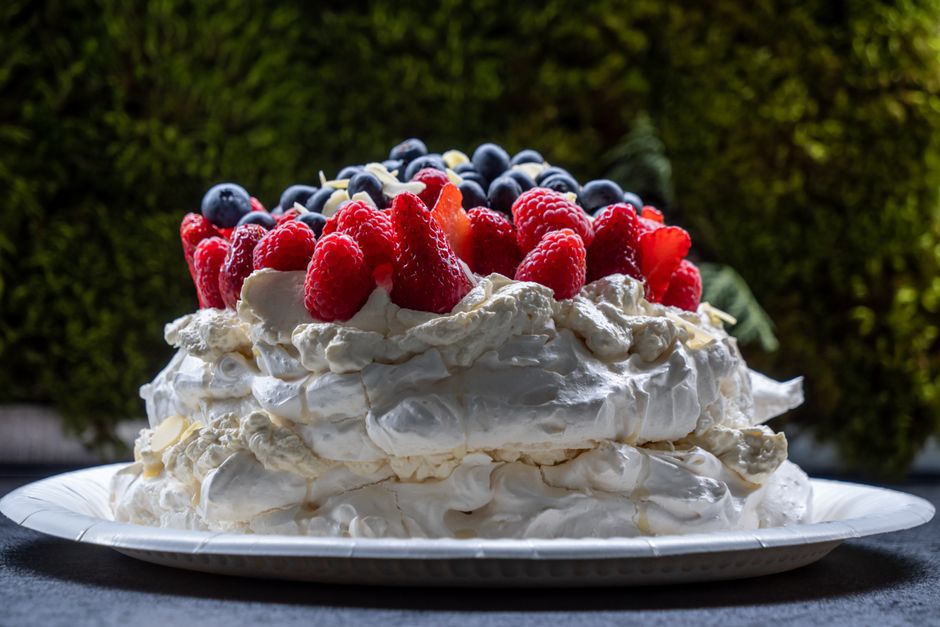
Few culinary disputes are as long-running, good-natured and genuinely unresolved as the argument between Australia and New Zealand over who invented the pavlova — the meringue-based dessert with a crisp shell and soft, marshmallow-like centre, typically topped with whipped cream and fresh fruit. Both countries claim it as a national dish. Both have historical evidence to point to. Neither has managed to convince the other, and the dispute has been running for close to a century with no sign of resolution.
The dessert is named after the Russian ballerina Anna Pavlova, who toured both Australia and New Zealand in the 1920s. This much is agreed upon by everyone. What isn't agreed upon is which country's chefs first created a dish in her honour, and when precisely that happened. New Zealand's claim generally centres on a recipe said to have appeared in a New Zealand publication in the mid-1920s, with some food historians pointing to a 1929 recipe as an early documented version bearing the name. Australia's claim points to various restaurant and hotel accounts, with some Australian food historians arguing that dishes closely resembling the modern pavlova, under different names, may have existed in Australia slightly earlier, even if the specific name 'pavlova' was applied a little later.
Culinary historian Helen Leach, based at the University of Otago in New Zealand, conducted one of the more extensive academic investigations into the dispute, tracing recipe books and publications from both countries across the early-to-mid 20th century. Her research, published in the early 2000s, is often cited by New Zealand as strengthening its claim, based on the density and dating of early New Zealand recipes bearing the pavlova name. Australian food historians have not universally accepted this as conclusive, pointing to gaps in the historical record on both sides and questioning whether enough early recipe material survives from either country to settle the matter definitively.
Adding to the complexity, the pavlova itself may have evolved gradually from earlier meringue-based desserts with less distinct national origins — meringue confections with cream and fruit toppings existed in various forms in European cooking traditions well before the 1920s, meaning that even if a specific 'pavlova' recipe can eventually be dated precisely, the broader dessert tradition it draws from was not itself invented in either country.
The dispute resurfaces reliably in the media of both nations every few years, often around cultural moments — food festivals, international competitions, or simply a slow news week — and it is generally treated with more humour than hostility on both sides, functioning as much as a piece of good-natured national rivalry as a genuine unresolved historical question. Both countries continue to serve, celebrate and claim the dish enthusiastically regardless of the ongoing disagreement.
The honest summary, as most serious food historians present it: the pavlova's name is definitively tied to Anna Pavlova's 1920s tours of both countries, the earliest clearly documented recipes bearing the name lean toward New Zealand by a matter of years according to some research, but the surviving historical record from the period is incomplete on both sides, and the broader meringue-dessert tradition the pavlova draws from predates either country's specific claim. Which is to say: nobody has definitively won this one, and after nearly a hundred years, it seems unlikely anybody ever fully will.