The Spice Routes That Changed World Food Forever
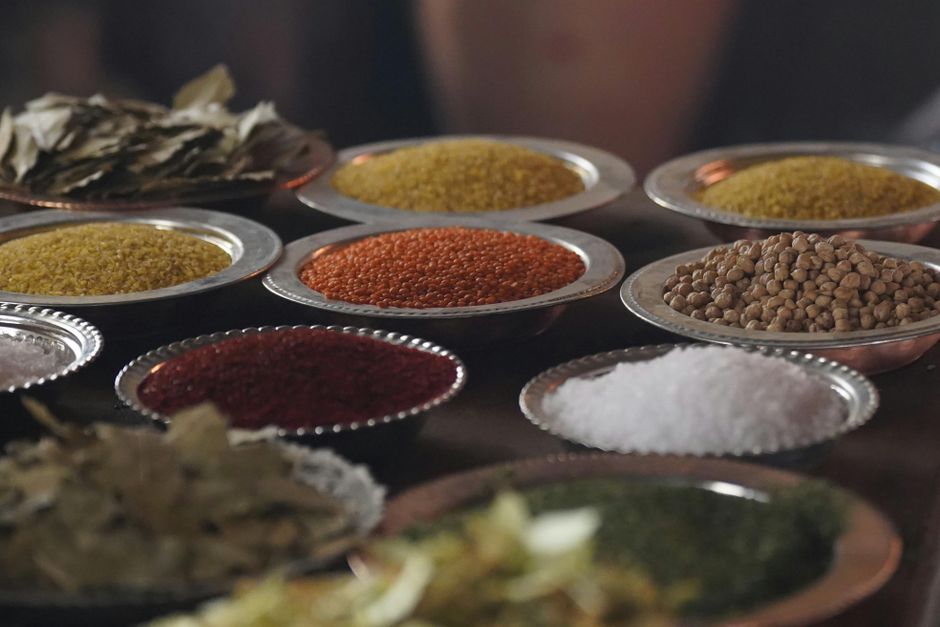
It is difficult to overstate how valuable spices were in medieval Europe. Pepper, cloves, nutmeg, cinnamon and cardamom were worth their weight in silver and sometimes gold. Pepper was used as currency and to pay ransoms. When the Visigoths sacked Rome in 410 CE, their ransom demand included 3,000 pounds of pepper. The entire infrastructure of medieval European commerce — the merchant republics of Venice and Genoa, the rise of banking, the first joint-stock companies — was built substantially on the spice trade.
The reason European spices were so expensive was geography. They grew in the islands of Southeast Asia, in India and in Sri Lanka. To reach Europe, they travelled overland through Central Asia and the Middle East or by sea through the Indian Ocean and the Persian Gulf, passing through dozens of middlemen — Arab, Persian, Indian and Ottoman merchants — each taking a margin. By the time pepper reached Lisbon or Venice, its price had increased a hundredfold from its origin.
This extraordinary price differential is what drove the Age of Exploration. Portugal's Vasco da Gama rounded the Cape of Good Hope in 1498 not out of curiosity but out of commercial calculation — if spices could be obtained directly from their source, the profits would be enormous. Columbus sailed west in 1492 with the same commercial logic, believing he could reach the spice islands of Asia. He found the Americas instead — and with them, an entirely different category of ingredients that would transform world cuisine.
The Columbian Exchange — the transfer of plants, animals and diseases between the Americas and the rest of the world after 1492 — is the single most transformative event in culinary history. From the Americas came tomatoes, potatoes, maize, chillies, chocolate, vanilla, peanuts, squash, beans, and turkey. Within 200 years of Columbus, these ingredients had been adopted and adapted into cuisines across Europe, Africa and Asia. Today it is impossible to imagine Italian cooking without tomatoes, Indian cooking without chillies, Irish cooking without potatoes, or Thai cooking without chillies and peanuts — yet all of these ingredients arrived in those cuisines only after 1500.
The spice trade also drove the development of the world's most complex spice-blending traditions. Indian masalas, Moroccan ras el hanout, Ethiopian berbere, the baharat of the Arab world — these sophisticated spice blends developed in cultures that sat along the trading routes and had access to the widest variety of spices. The more spices available, the more complex the blending tradition that developed around them.
The legacy of the spice trade is written into every cuisine on earth. The chilli in your Korean kimchi, the vanilla in your French crème brûlée, the black pepper in your Italian pasta — all are products of trade routes that began over 2,000 years ago. Modern globalisation of food is not a new phenomenon. It is the continuation of a process that has been reshaping what humanity eats since the first merchant loaded cinnamon onto a ship.