Novruz Bayram
Azerbaijan's most important holiday, when tables groan under the weight of shah plov, pakhlava and dozens of regional pilaf variations.
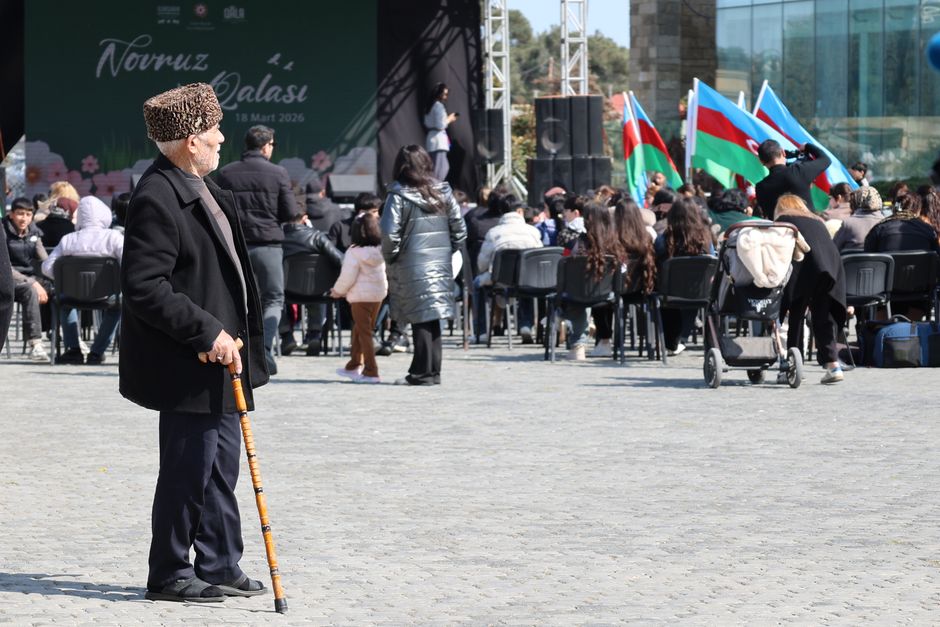
Celebrated across five official days from March 20th, Novruz Bayram marks the astronomical spring equinox in Azerbaijan, with the country hosting the second-longest observance of the holiday anywhere after neighbouring Iran. Preparations begin a full month in advance, with each of the four preceding Tuesdays dedicated to one of the classical elements — water, fire, wind and soil — building anticipation toward the festival itself through weeks of ritual and symbolism.
Plov sits at the undisputed centre of the Novruz table, with Azerbaijan boasting more than 200 regional varieties of the dish — shah plov, or 'king plov', reigns supreme among them, an elaborate showpiece of saffron-infused rice layered with chicken or lamb, raisins and prunes, crowned with a crisp, butter-soaked crust called qazmaq. Alongside plov, pakhlava, cut into diamond shapes symbolising the stars in the sky, appears on every festive table, taking on regional variations like Sheki's square halva and Gabala's triangular 'uchgulag'. Households also prepare a Khoncha tray featuring seven symbolic foods, sprout wheatgrass known as samani, and dye eggs, while bonfires lit across the country invite participants to jump over the flames as an act of purification.
Given plov itself earned UNESCO Intangible Cultural Heritage recognition in 2016, and given Novruz remains Azerbaijan's most treasured and elaborately prepared holiday, the festival offers a genuinely comprehensive window into the country's culinary identity — a full month of buildup culminating in a table that, quite literally, showcases the nation's finest cooking.
Highlights
- ✓2nd-longest Novruz observance after Iran
- ✓Month of preparation beforehand