Tihar
Nepal's Festival of Lights, when sel roti and khuwa sweeten five days honouring the goddess Laxmi alongside crows, dogs and cows.
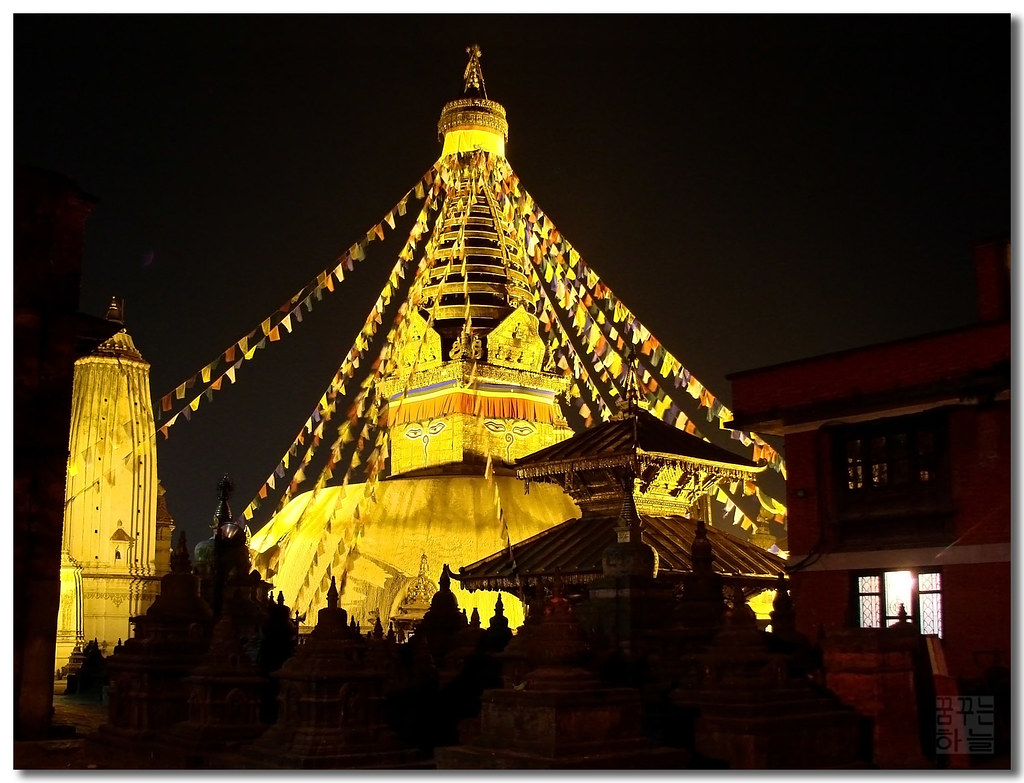
Held each October or November, shortly after Dashain concludes, Tihar unfolds across five days as Nepal's Festival of Lights, honouring the goddess Laxmi, bringer of wealth and good fortune, while also celebrating the animals that share human life — crows, dogs and cows each receive their own dedicated day of recognition and worship. Homes glow with oil lamps and increasingly elaborate fairy lights, doorways are decorated with rangoli, and the festival's atmosphere carries a gentler, more luminous character than Dashain's louder feasting.
Sel roti returns as one of Tihar's defining dishes, deep-fried into its distinctive crisp golden rings and enjoyed with yogurt, pickle or milk tea, while khuwa, a dense dessert made by slowly reducing buffalo milk before sweetening and garnishing it with cardamom and pistachio, holds a particularly treasured place during the celebrations. Gundruk, the fermented leafy green vegetable also associated with Dashain's closing days, appears throughout Tihar as a tangy side dish, and momo, Nepal's iconic dumplings, feature especially prominently during the festival's family gatherings.
For visitors interested in Nepali festival traditions specifically tied to gratitude and light rather than Dashain's more meat-centred feasting, Tihar offers a genuinely different, equally significant counterpart — a celebration where food, illumination and the bonds between humans and animals all converge across five carefully structured days.
Highlights
- ✓Nepal's Festival of Lights
- ✓5-day celebration honouring Laxmi