Haitian Carnival (Kanaval)
Weeks of parades, music and street food culminate in Port-au-Prince's Kanaval, Haiti's largest annual celebration.
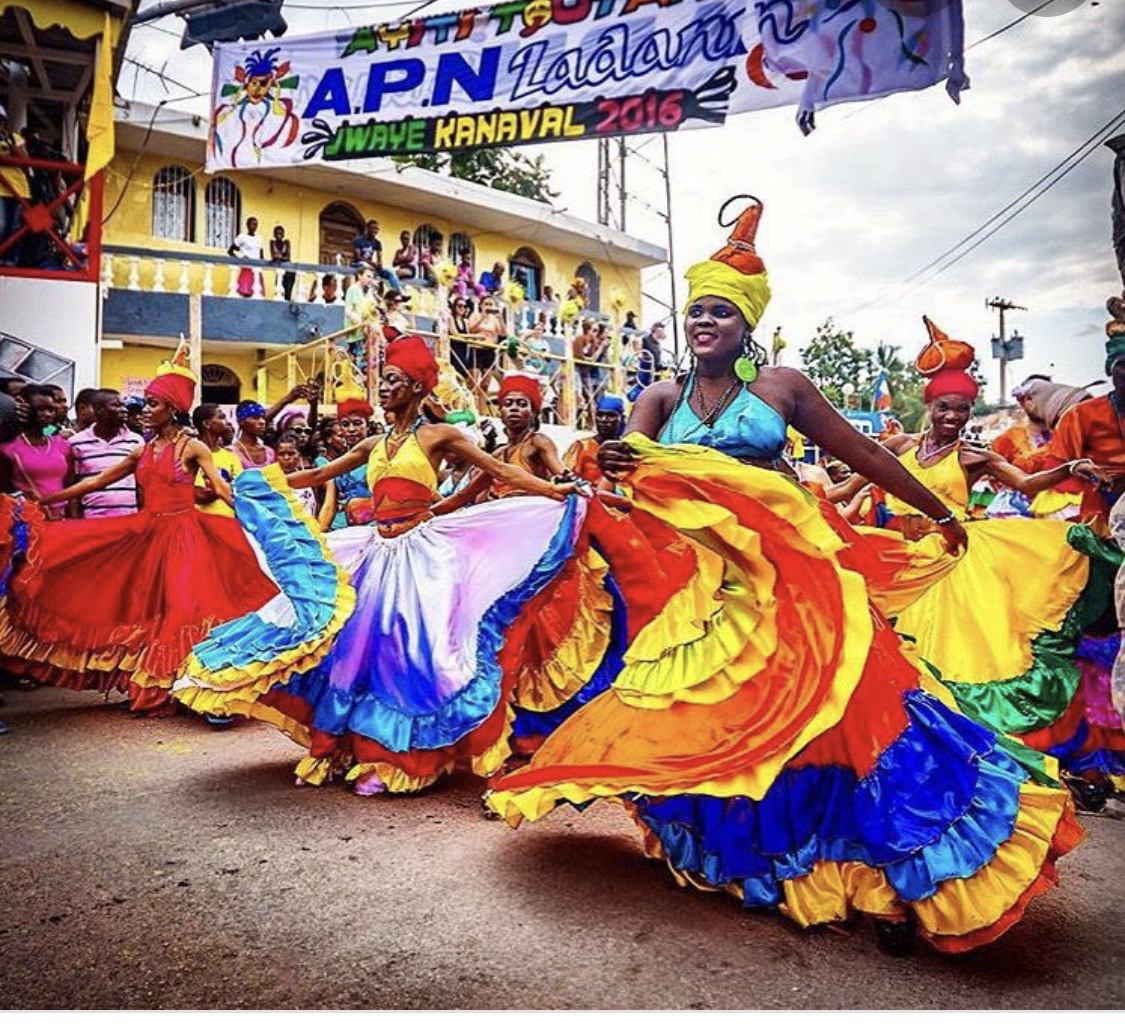
Held over several weeks leading up to Mardi Gras, with the main celebrations concentrated in February, Haitian Carnival, or Kanaval, stands as the country's largest annual celebration, with its principal parade route, known as Kye Marn, running through the heart of Port-au-Prince. Smaller, simultaneous celebrations take place in Jacmel, Aux Cayes and other Haitian cities, and separate carnival traditions like Rara, a series of Lenten-season processions with their own bands and parades, extend Haiti's carnival calendar well beyond the main February event.
Griot, Haiti's beloved fried pork dish, and the wider range of fritay, or fried street foods, are inescapable throughout the celebrations, sold from stalls and roadside setups all along the parade routes, providing the fuel for hours of dancing and street festivity. Traditional Haitian dishes like legim and pikliz, the sharp pickled cabbage relish that accompanies nearly everything fried, round out the food available to revellers moving through the crowds.
Given the funding, organisation and sheer scale required to stage Haiti's carnival each year — supported by government, businesses and prominent Haitian families — Kanaval represents one of the country's most significant public displays of culture and resilience, a celebration that has continued through genuinely difficult national circumstances as an assertion of Haitian identity and joy.
Highlights
- ✓Haiti's largest annual celebration
- ✓Weeks of parades and music