Soup Joumou Day
Haiti's Independence Day, when the entire nation eats a rich squash soup once forbidden to enslaved people under French colonial rule.
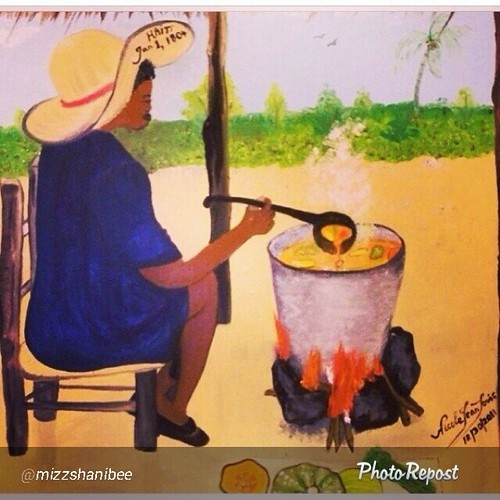
Observed every January 1st, Soup Joumou Day marks both Haiti's Independence Day and one of the most meaningful food traditions anywhere in the Caribbean. Soup Joumou, a rich soup built around calabaza squash, vegetables and often beef or goat, was reportedly forbidden to enslaved people under French colonial rule, reserved instead for the French planters themselves. Following Haiti's successful revolution and declaration of independence in 1804, the newly free population began preparing and sharing the soup as an annual act of celebration and reclamation, a tradition that has continued, largely unbroken, ever since.
On New Year's Day, Haitian households across the country and throughout the diaspora prepare soup joumou together, often gathering as extended families to mark both the new year and the nation's founding in the same meal. The soup's significance was formally recognised by UNESCO in 2021, when Haitian soup joumou was added to the Representative List of the Intangible Cultural Heritage of Humanity, specifically citing its role as a symbol of resistance and the assertion of freedom and equal dignity.
For a country whose recent history has included genuine hardship, Soup Joumou Day carries a weight beyond most national food traditions — not simply a celebration of a dish, but an annual, communal act of remembering exactly what that dish once represented, and what it took to be able to eat it freely.
Highlights
- ✓Marks Haiti's Independence Day
- ✓Once forbidden to enslaved people